Water Damage Restoration La Jolla, CA
24/7 water damage restoration in La Jolla, CA. The restoration team extracts standing water, dries the structure to the IICRC S500 standard and documents every step for your insurance claim.
(888) 450-9281Water on the floor? Start the extraction nowSlab leaks, pinhole pipe leaks, sewage backups and winter storm water are treated as urgent at any hour, from the Village to Bird Rock.

What to do while the water is still moving
Close the main valve
Find the shutoff where the supply pipe enters the house, often near the front hose bib. The street meter box has a valve too.
Cut power to wet rooms
Switch off breakers for wet areas, but only if the panel is dry and you are standing on a dry floor.
Stay clear of outlets
Water near cords, outlets, floor lamps or a water heater can be energized.
Photograph before moving anything
Wide shots and close-ups of the high-water mark, the source and damaged belongings go straight into the claim file.
Lift rugs and valuables
Get rugs, art, papers and electronics off wet floors, and set foil under furniture legs on wet carpet.
Then call
Extraction inside the first day or two saves floors, drywall and cabinets that would otherwise come out.
Drywall, pad and subfloor that stay wet past 24 to 48 hours start growing mold and usually have to be removed.
Water Damage Restoration Services in La Jolla, CA
Twelve water services shaped to the coast: slab ranch homes, raised-floor cottages, hillside lots and condo buildings.
 Emergency Water ExtractionTruck-mounted units for houses and portable extractors for condos and hillside lots, pulling water before it wicks into walls.See how it is done
 Slab Leak Water DamageA pinhole in copper under the slab soaks flooring from below. The flooring is lifted and the concrete dried.See how it is done
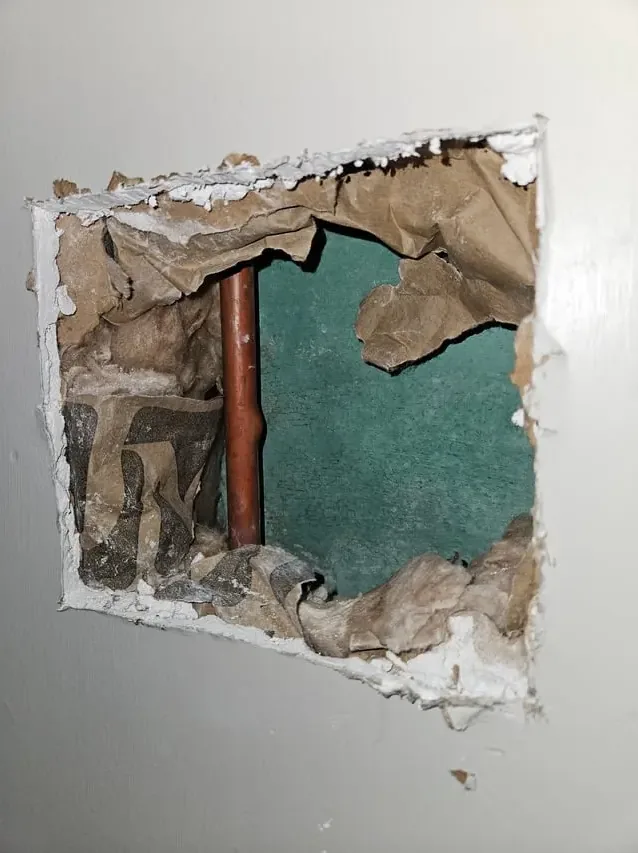
 Pinhole and Burst Pipe LeaksCopper pinholes and tired galvanized pipe fail inside walls and ceilings. Cavities open only where the meters say.See how it is done
 Sewage Backup CleanupLateral and toilet backups handled as Category 3: containment, removal of porous materials and antimicrobial treatment.See how it is done
 Storm Water and Flash Flood CleanupWinter storm runoff through doors, garages and lower levels, extracted and dried as contaminated water.See how it is done
 Roof Leak Water DamageFlat and low-slope roofs leak in the first big storm. Wet insulation comes out and the decking and ceilings dry.See how it is done
 Ceiling Leak Water DamageAn upstairs bath or the condo unit above leaks down. The source is traced and the joist bays are dried.See how it is done
 Water Heater Leak CleanupTanks in garages and closets wear out early on hard water. The water is pulled before drywall and boxes wick it up.See how it is done
 Appliance Leak Water DamageWasher hoses, dishwashers, ice makers and toilet supplies leak slowly under floors and cabinet bases until someone notices.See how it is done
 Hardwood Floor Water DamageOak, walnut and engineered floors dried with panel mats and dehumidifiers before cupping turns into replacement.See how it is done
 Structural Drying to IICRC S500Framing, subfloor, plaster and concrete dried to within 2 to 4 points of a dry reference and logged daily.See how it is done
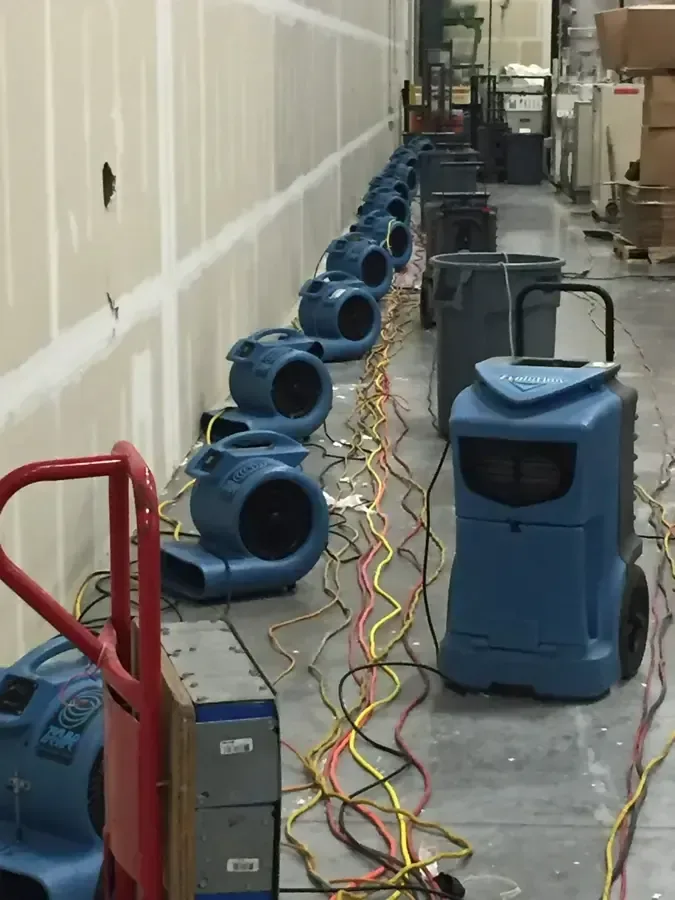
 Commercial Water Damage RestorationShops, restaurants, offices and condo buildings dried in phases, with containment so doors can stay open.See how it is done
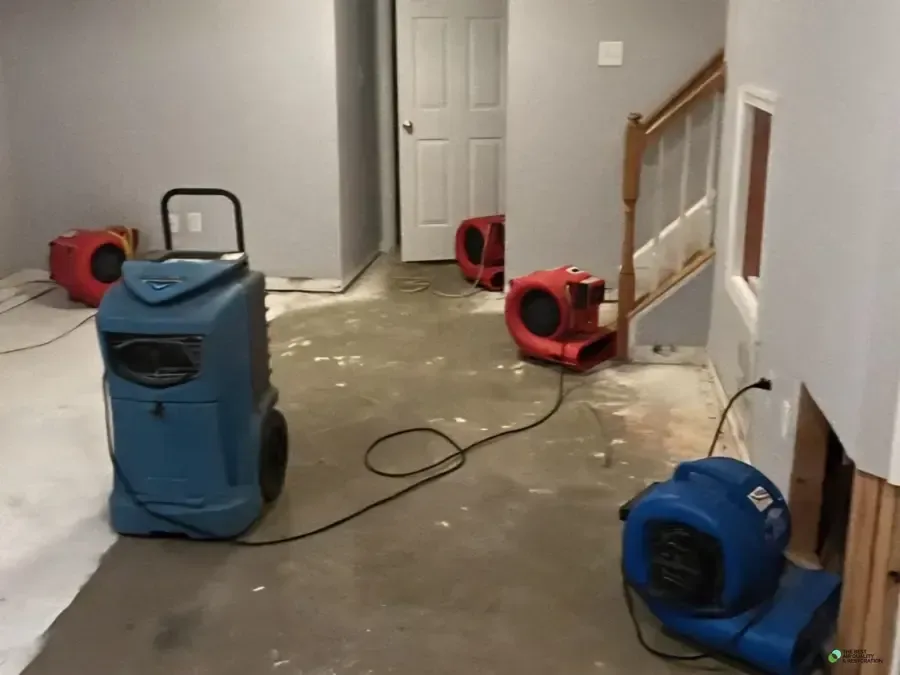
Four things every coastal dry-out gets
The restoration contractor who responds measures before cutting, dries to a written standard and records each step, because an insurer pays on records, not on impressions.
Rapid local response
Dispatch runs 24/7 along the coast, and active water is treated as urgent at any hour, holidays included.
IICRC S500 drying standard
Air movers and LGR dehumidifiers are sized to the class of loss, and drying ends on readings, not on looks.
Claim-ready documentation
Moisture maps, daily drying logs and timestamped photos taken before any demolition go to your insurer.
Local water know-how
Slab leaks in ranch homes, crawl spaces under old cottages, hillside runoff and condo stacks are everyday work here.
Water damage dried to the IICRC S500 standard
IICRC S500 treats water damage as a structure problem: find every wet material, remove what cannot be saved, dry the rest and prove it with readings.
Map the moisture
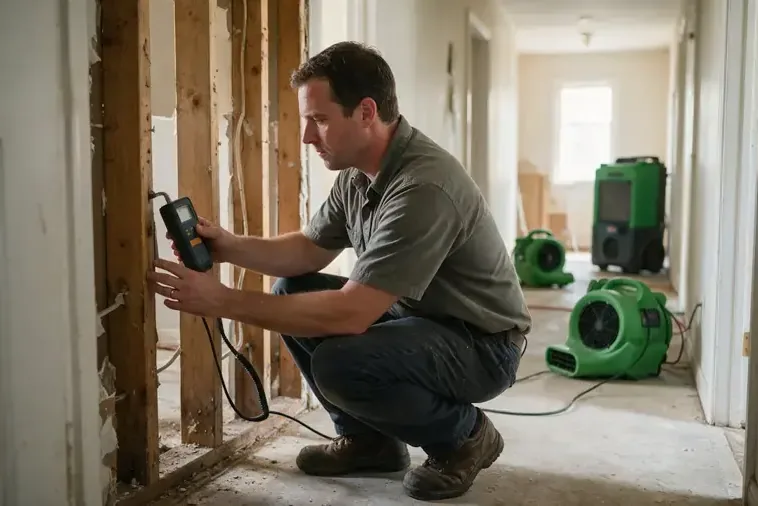
The tech who does the walkthrough finds the source, sets the category and class and maps every wet material.
Extract
The extraction crew pulls standing water so it leaves the building instead of soaking further in.
Set the drying
The drying team places air movers to the evaporation load and runs LGR or desiccant dehumidifiers.
Read it daily
Readings go into the log every day, and the equipment moves to whatever is still giving up water.
Verify dry
Equipment comes out when materials sit within 2 to 4 points of a dry reference, and the logs go into the file.
All water damage categories covered in La Jolla, CA
Category 1, clean water
Supply pipes, slab leaks, water heaters and ice makers. Caught early, carpet, pad and drywall can often dry in place.
Pinhole and burst pipe leaksCategory 2, gray water
Washers, dishwashers and toilet overflows without waste, or clean water that sat long enough to pick up contamination.
Appliance leak water damageCategory 3, black water
Sewage backups and storm runoff from outside. Porous materials it touched are removed, not dried.
Sewage backup cleanupWhat does water damage restoration cost in La Jolla, CA?
Most water damage restoration jobs here run $1,500 to $7,000 for a contained clean-water loss. Several rooms, hardwood or plaster push it to $7,000 to $15,000, and sewage or a whole soaked floor can pass $15,000.
Contained clean-water loss
- One or two rooms
- Extraction and in-place drying
- Three to five days of equipment
Several rooms or hardwood
- Flooring, drywall and baseboards opened
- Floor drying mats or desiccants
- Moisture mapping and daily logs
Category 3 or a whole floor
- Sewage or outside storm water
- Containment and removal
- Antimicrobial and full structural drying
Water category, square footage, material class and how fast drying started move the number most. The water damage cost calculator gives a closer planning range.
What goes into the claim file
Adjusters pay on documentation, so the mitigation team builds the file while the drying runs. A complete file carries:
- A moisture map of every wet room, wall and floor from the first walkthrough
- Daily psychrometric readings and material moisture logs until the goal is met
- Timestamped photos taken before any drywall, flooring or cabinets come out
- The category and class of the loss, written down at the start
- An itemized scope of what was extracted, removed and dried
Check your own policy
Sudden and accidental water, like a split supply pipe or a failed water heater, is often covered after the deductible. Gradual leaks, sewer backups and outside flood water are treated differently.
Sewer backup usually needs its own endorsement, and rising flood water needs a separate flood policy. Coverage depends on your policy, so check with your own insurer.
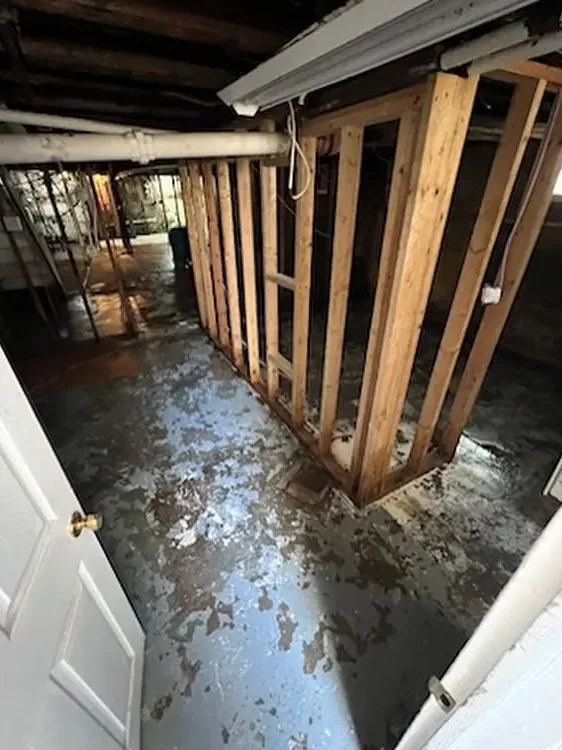
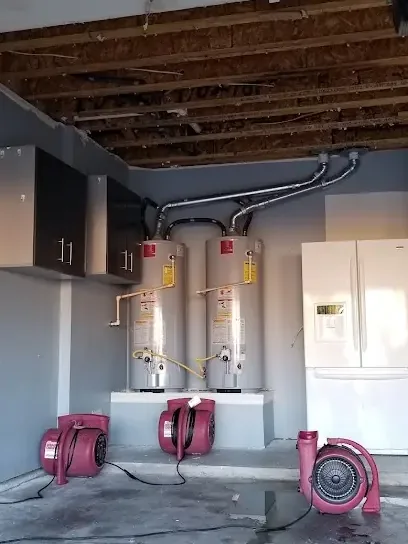
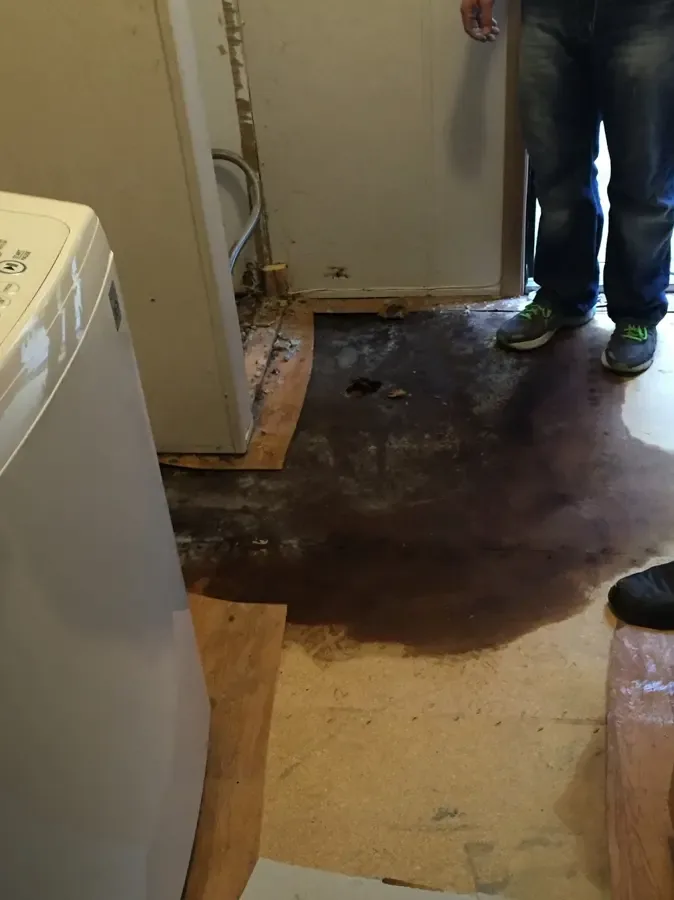
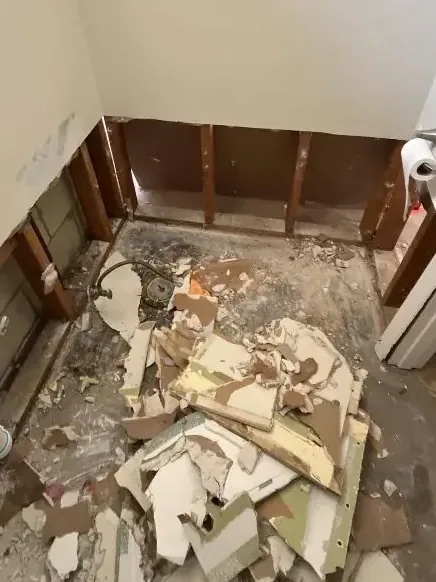
What a water damage dry-out looks like in La Jolla
Neighborhoods and ZIP codes covered in La Jolla, CA
Neighborhoods
ZIP codes
Nearby communities
One call reaches La Jolla water damage pros, 24/7
From the cottages of Bird Rock and Windansea to the slab homes of the Shores and the hillside streets below Mount Soledad, the response team covers every neighborhood around the clock.
Dispatch covers ZIP 92037 and the post office box and campus ZIPs around it, plus Del Mar, Torrey Pines, University City and Pacific Beach next door.
[email protected] (888) 450-9281Get a coastal pro on the phone Find us on Google See every neighborhood and ZIP coveredWhy La Jolla homes take on water
This coastal community of the City of San Diego mixes early beach cottages, postwar ranch homes, hillside custom houses and condo buildings, and each one takes on water in its own way.
- Slab leaks in ranch homes. Many 1950s to 1970s homes in the Shores and on the mesa sit on concrete slabs with copper supply pipe below, and water chemistry wears that copper thin until a pinhole opens.
- Old pipe in early cottages. Cottages from the early 1900s in Bird Rock, Windansea and the Village can still carry galvanized supply pipe and clay or cast iron sewer laterals, often under mature trees.
- Few storms, heavy rain. The area averages roughly 10 inches of rain a year, mostly from November to March, so roofs and drains get tested all at once in the first big storm.
- Damp marine air. May gray and June gloom keep coastal air humid, which slows passive drying and makes dehumidification the deciding piece of a dry-out.
- Hillside runoff. On the slopes of Mount Soledad and in Muirlands, heavy rain runs downhill against retaining walls, lower levels and garage doors.
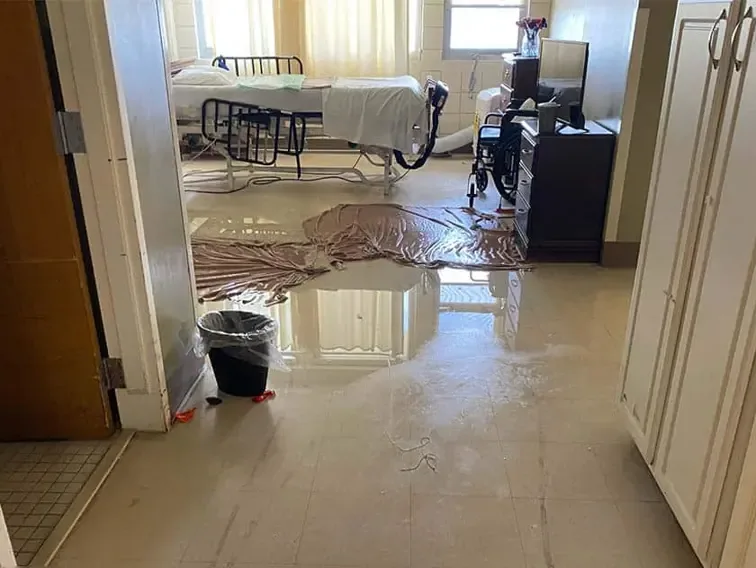
January 22, 2024: the San Diego airport gauge logged about 2.7 inches of rain in a single day, one of the wettest days on record there, and storm water reached homes and garages in many parts of the city.
Water damage questions from coastal homeowners
How fast does someone respond to water damage here?
Dispatch runs around the clock, and active water is treated as urgent at any hour, weekends and holidays included. Arrival depends on traffic and the jobs already running, so close the main and start the first steps while you wait.
What causes most water damage in coastal San Diego homes?
Slab and pinhole leaks in copper supply pipe, sewer lateral backups in older neighborhoods, water heaters worn out by hard water, appliance hoses, flat-roof leaks in the first storm of the season and hillside runoff during heavy rain.
Is water damage covered by homeowners insurance in California?
Sudden and accidental water, such as a burst supply pipe, is often covered after the deductible. Sewer backup usually needs an endorsement, rising flood water needs a flood policy, and slow leaks are often excluded. Coverage depends on your policy, so check with your own insurer.
How long does it take to dry a house after water damage?
A contained Class 1 or 2 loss usually dries in three to five days. Hardwood, plaster, a soaked slab and dense framing take longer, and damp marine air can add days. Equipment stays until the readings reach the drying goal.
What is IICRC S500?
IICRC S500 is the industry standard for water damage restoration. It covers how a loss is inspected and classified, how drying is planned and monitored and how dry is verified with readings.
What should I do in the first few minutes?
Close the main valve, switch off breakers for wet rooms if the panel is dry, stay away from water near outlets, photograph everything, lift rugs and valuables off the floor, then call.
Is mitigation the same as repair?
No. Mitigation stops the damage: extraction, removal of what cannot be saved and drying. Repair puts the home back with new drywall, flooring, paint and cabinets. Most insurers expect mitigation to start first.
When does drywall have to come out?
When moisture mapping shows it cannot dry in place, when it has softened or sagged, or when Category 3 water such as sewage or outside storm runoff touched it.
Why is sewage handled differently from a clean leak?
Sewage is Category 3 the moment it happens. Porous materials it touched, like carpet, pad and the lower drywall, are removed, and hard surfaces get an EPA-registered antimicrobial before drying.
How is the cost of water damage restoration worked out?
By the water category, the square footage that got wet, the material class and how fast drying started. Each one shows up as its own item in the scope that goes to your insurer.
Leak, backup or storm water at home? Get the drying started.
Extraction, structural drying and a claim-ready file, 24/7, from Bird Rock to the Shores and up Mount Soledad.